 +91-89681-22770
  lizakaurbhatia@gmail.com

LIZA KAUR- London by
SONIA ARORA

About us
LIZA KAUR – London is more than just a fashion label – it’s a celebration of heritage, craftsmanship, and modern femininity.
Founded in London with roots that trace back to the vibrant cultural essence of Punjab, LIZA KAUR blends the richness of traditional Indian textiles with the elegance and edge of contemporary Western design. Each piece tells a story – of powerful women, timeless grace, and bold individuality.
From luxurious ethnic wear to elegant Indo-Western fusions, our collections are designed for women who want to honour their roots while embracing the world. We believe that style should be effortless, soulful, and deeply personal.
Every fabric, motif, and silhouette is thoughtfully chosen – handcrafted by skilled artisans and tailored with a London eye for detail. Whether you’re dressing for a wedding, a celebration, or a moment of self-expression, LIZA KAUR is your modern-day heirloom.
Join us in this journey of style, strength, and self-love.
Our Vision
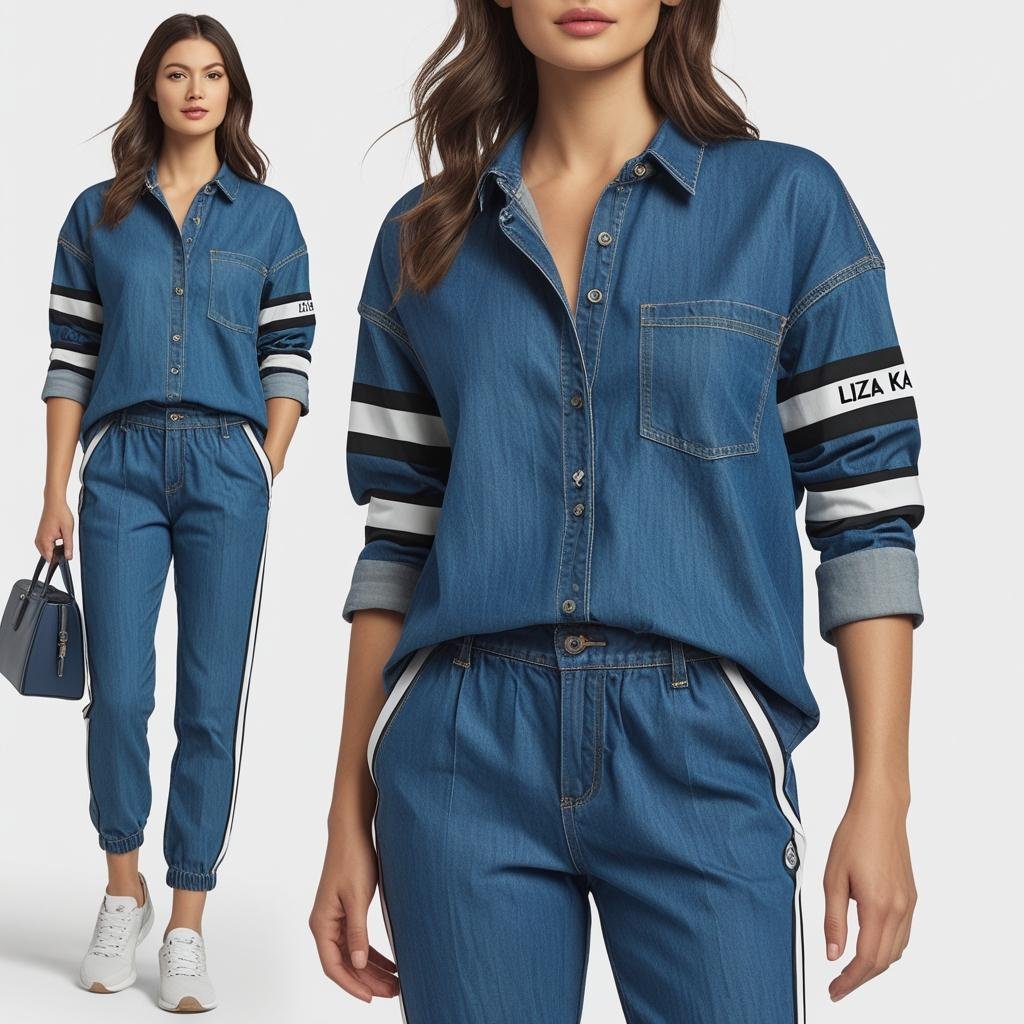
To become a global symbol of empowered elegance by redefining ethnic and fusion fashion for the modern woman — where tradition meets trend, and every outfit tells a story of identity, confidence, and culture.
We envision LIZA KAUR as a bridge between heritage and high fashion — honouring artisanal roots while inspiring a new generation to wear their culture with pride, everywhere in the world.
Our Value
At Liza Kaur, we value your feedback, inquiries, and suggestions.
We believe that communication is key to building a strong relationship with our customers, which is why we are always here to help.
We are happy to assist you with any questions or concerns you may have about our products, services, or policies. Whether you prefer to email us or speak with us directly, we are committed to providing you with prompt and efficient service that exceeds your expectations. We look forward to hearing from you and helping you in any way we can.
How we work:-
Stage 1: Yarn Procurement & Fabric Manufacturing
Purchased thread (yarn) is sent to a weaving or knitting mill to convert it into fabric.
- If woven fabric is needed, the yarn is woven on looms.
- If knitted fabric is required, the yarn is knitted using circular or flat knitting machines.
- Stage 2: Fabric Printing or Dyeing
- The greige fabric is sent for printing or dyeing, depending on the design requirement.
- Printing: Patterns, designs, or logos are applied using methods like screen printing, digital printing, or block printing.
- Dyeing: Fabric is uniformly colored using dyes in large dyeing machines.
- Once the printed/dyed fabric is ready, it goes through the Cut to Pack stages:
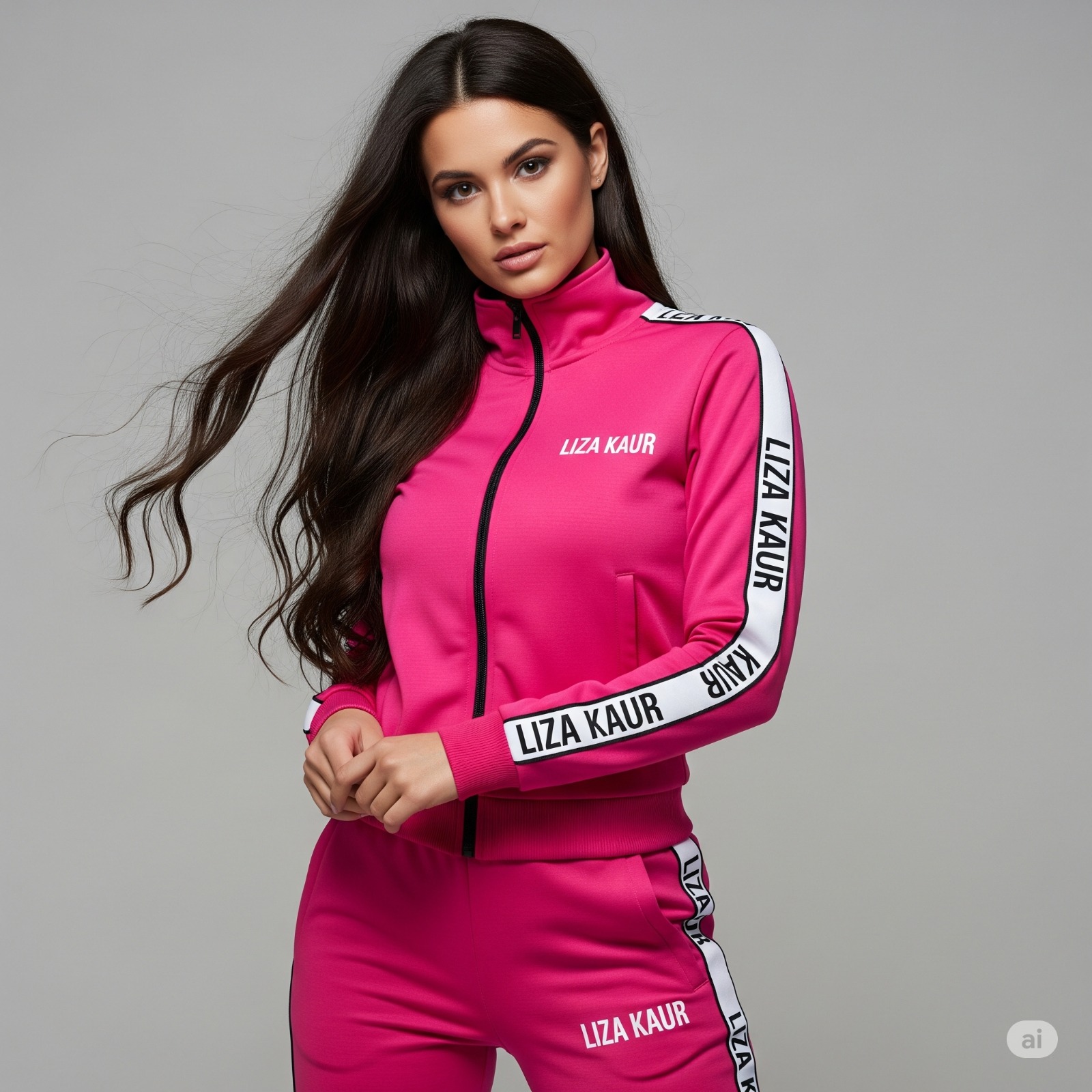
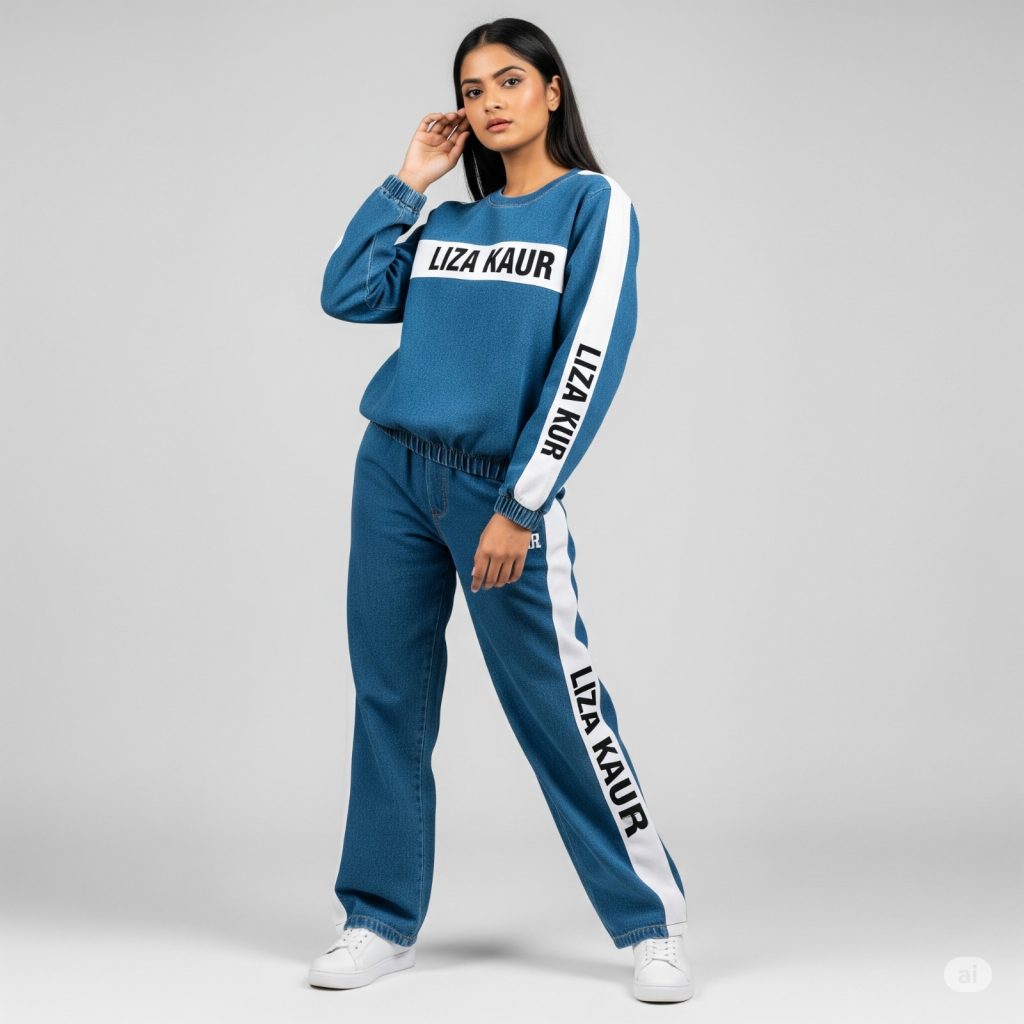
Stage 3: Cut to Pack Process
Fabric Relaxing
Fabric is rested to reduce tension and shrinkage before cutting.Cutting
The fabric is laid in layers and cut into patterns (like sleeves, fronts, backs) using manual or automated cutting machines.
Bundling
The cut pieces are grouped into bundles based on size, color, and design for stitching.
Stitching / Sewing skilled tailors or sewing operators stitch the garments as per design specs. Quality control happens during and after sewing.
Checking & Trimming
Each stitched piece is inspected, extra threads are trimmed, and minor corrections are made.
Finishing & Pressing
The garments are ironed/steamed, labels and tags are attached, and final touches are done.
Packing
Finished garments are folded, packed in polybags or boxes, and labeled for dispatch.